
Demo GardenAdvice Fruit and Vegetable growing calendar
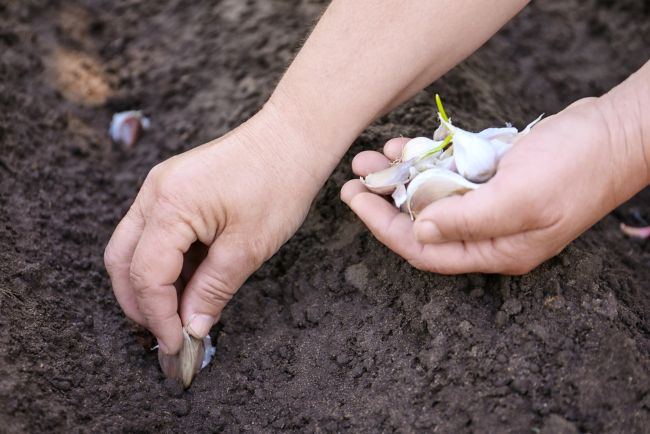
Planting Garlic Cloves
Sign up for the GardenAdvice Grow Your Own Fruit & Veg Calendar Interactive calendar Click Here
Demo GardenAdvice Client Calendar
Hi
Thanks for signing up for the GardenAdvice vegetable and fruit calendar
Here is a list of tasks for January and a general list
If you need any Gardening Advice just drop us an email or use our new Ai Gardening Assistant Helene https://gardenadvice.co.uk/gardening-tips/welcome-to-gardenadvicecouk-gardening-tips-and-advice-database/
January Tasks & Complete Growing Calendar
January Task List
Seeds to Start in January
Indoors/Under Cover:
- Early sowings (heated propagator ideal): Chillies, Peppers, Aubergines (late January onwards)
- Microgreens & Salads: Pak Choi, Lettuce (winter varieties), Radish (in cold frame)
- Herbs: Basil (indoors on windowsill)
📚 Related GardenAdvice Resources:
Other January Tasks
- Plant: Garlic cloves (if not done in autumn), bare-root fruit trees (Apple, Pear) and bushes (Blueberries, Redcurrant) during dormant period
- Prune: Apple and Pear trees, Grape vines, Redcurrant bushes (while dormant)
- Chit: Seed potatoes (from late January) – place in egg boxes in cool, light place
- Prepare: Clean pots and seed trays, order seeds, plan crop rotation
- Protect: Check fleece/cloches on winter crops, ensure asparagus crowns are mulched
- Force: Rhubarb crowns for early harvest
- Harvest: Brussels Sprouts, winter Kale, winter Cabbage, Leeks (if planted previous year)
Complete Planting Calendar by Crop
ROOT VEGETABLES
BEETROOT
- Sow: April-July (successional sowings every 3-4 weeks)
- Tips: Soak seeds overnight; needs well-drained soil; avoid fresh manure; thin to 10cm spacing; bolt-resistant varieties for early sowings
CARROTS
- Sow: March-July (early varieties under fleece from Feb; maincrop April-May)
- Tips: Direct sow in fine, stone-free soil; thin carefully (scent attracts carrot fly); cover with fleece/mesh for protection; successional sowing every 3 weeks
POTATOES
- Chit: Late January-March
- Plant: March-May (earlies: March; maincrop: April-May)
- Tips: Earth up regularly; water well when flowering starts; harvest earlies when flowering, maincrop when foliage dies back
RADISH
- Sow: March-September (successional sowings every 2 weeks)
- Tips: Quick crop (3-4 weeks); sow thinly; keep moist; harvest promptly or becomes woody
SWEET POTATOES
- Plant slips: Late May-early June (after all frost risk)
- Tips: Needs hot, sunny position; grow in large containers or raised beds; harvest before first frost; cure tubers before storing
BRASSICAS
BROCCOLI
- Sow: April-May (for autumn/winter harvest)
- Plant out: June-July
- Tips: Space 60cm apart; net against pigeons; water consistently; harvest main head then side shoots continue
BRUSSELS SPROUTS
- Sow: March-April
- Plant out: May-June
- Tips: Need long growing season; firm soil well; stake tall varieties; earth up stems; pick from bottom upwards
CABBAGE
- Spring cabbage: Sow July-August
- Summer cabbage: Sow March-April
- Winter cabbage: Sow May-June
- Tips: Firm planting essential; net against pigeons/butterflies; rotate to avoid clubroot; water consistently
CAULIFLOWER
- Summer varieties: Sow March-April
- Autumn varieties: Sow May-June
- Winter varieties: Sow April-May
- Tips: Needs rich, firm soil; never let dry out; protect curds from sun by bending leaves over; quite temperamental
KALE
- Sow: April-June
- Plant out: June-August
- Tips: Very hardy; space 45-60cm; harvest leaves regularly for continued production; sweetens after frost; minimal care needed
PAK CHOI
- Sow: March-September (avoid June/July – bolting risk)
- Tips: Quick crop (30-40 days); bolt-resistant varieties for summer; keep well-watered; protect from slugs and flea beetles
ALLIUMS
GARLIC
- Plant cloves: October-February (autumn planting best)
- Tips: Plant individual cloves 10cm apart, 2-3cm deep; needs cold period (vernalization); harvest when leaves turn yellow (June-July)
LEEKS
- Sow: February-April (indoors or outdoors)
- Plant out: May-June
- Tips: Transplant when pencil-thick; dibber-planting method; earth up for blanching; very hardy – harvest autumn through winter
ONIONS
- From seed: Sow January-March (indoors); plant out April
- From sets: Plant March-April
- Tips: Sets easier for beginners; need sunny position; firm soil around sets; stop watering when bulbs form; harvest when foliage flops
SPRING ONIONS
- Sow: March-September (successional sowings)
- Tips: Quick crop (8 weeks); sow every 3 weeks; can sow under cover year-round; harvest when pencil-thick
SALADS & LEAFY GREENS
LETTUCE
- Sow: March-September (successional sowings every 2-3 weeks)
- Under cover: Year-round possible
- Tips: Various types (cos, butterhead, loose-leaf); cut-and-come-again varieties productive; keep moist; shade in summer heat
SPINACH
- Spring sowing: March-May
- Autumn sowing: August-September
- Tips: Bolts in hot weather; choose bolt-resistant varieties for summer; pick regularly; rich soil preferred
SQUASHES & FRUITING VEGETABLES
COURGETTES & MARROWS
- Sow: April-May (indoors or outdoors after frost)
- Plant out: Late May-June (after frost risk)
- Tips: Space 90cm apart; very productive; harvest courgettes small (10-15cm); water consistently; feed weekly when fruiting
CUCUMBERS
- Sow: April-May (indoors)
- Plant out: Late May-June (greenhouse) or June (outdoors after frost)
- Tips: Outdoor varieties less demanding; keep warm and humid; water regularly; feed weekly; train up supports
GHERKINS
- Sow/Plant: As cucumbers
- Tips: Essentially small cucumbers; pick frequently (stimulates production); climbing or bush varieties available
PUMPKINS
- Sow: April-May (indoors)
- Plant out: Late May-June
- Tips: Need lots of space (1.5-2m spacing); feed and water generously; limit fruits to 2-3 per plant for larger pumpkins
PEAS & BEANS
PEAS
- Early varieties: March-April
- Maincrop: April-June
- Autumn crop: July-August
- Tips: Direct sow; support with pea sticks/netting; pick regularly for continued cropping; mulch to retain moisture
SWEETCORN
- Sow: April-May (indoors or outdoors)
- Plant out: Late May-June
- Tips: Plant in blocks (not rows) for pollination; needs warm soil; one cob per plant typically; harvest when tassels turn brown
TENDER CROPS (Need Warmth/Protection)
AUBERGINES
- Sow: January-March (heated propagator)
- Plant out: May-June (greenhouse/polytunnel)
- Tips: Need consistent heat; pinch out growing tip at 30cm; support plants; limit to 5-6 fruits per plant
BASIL
- Sow: March-July (indoors or under cover)
- Tips: Tender herb; needs warmth and sun; pinch out tips regularly; water from below; bring pots indoors for winter
CHILLIES & PEPPERS (Capsicum)
- Sow: January-March (heated propagator essential)
- Plant out: May-June (greenhouse best; outdoors only in warmest areas)
- Tips: Long growing season; need heat and light; feed weekly when fruiting; support plants; pick peppers green or leave to ripen
MELONS
- Sow: April-May (heated propagator)
- Plant out: Late May-June (greenhouse/polytunnel)
- Tips: Need consistent heat; train up supports; hand-pollinate; limit to 4-6 fruits per plant; support fruits in nets
OKRA
- Sow: March-April (heated propagator)
- Plant out: May-June (greenhouse essential)
- Tips: Needs heat; pick pods young (7-10cm); wear gloves when handling; not easy in UK climate
TOMATOES
- Sow: March-April (indoors)
- Plant out: Late May-June (greenhouse or outdoors after frost)
- Tips: Cordon vs bush types; pinch out side shoots (cordons); feed weekly with tomato fertilizer; water consistently
PERENNIAL VEGETABLES
ASPARAGUS
- Plant crowns: March-April
- Tips: Don’t harvest for first 2 years; then harvest spears for 6-8 weeks (April-June); mulch annually with compost; very long-lived
HERBS
CHIVES
- Sow: March-August or divide existing clumps (spring/autumn)
- Tips: Perennial; very easy; cut regularly for tender leaves; edible flowers; divide every 3-4 years
LEMON VERBENA
- Plant: May (pot-grown plants after frost)
- Tips: Tender perennial; needs protection in winter; aromatic leaves for tea; prune in spring
ROSEMARY
- Plant: Spring or autumn (pot-grown plants)
- Tips: Perennial evergreen; well-drained soil essential; drought-tolerant once established; prune after flowering
FRUIT
APPLES & PEARS
- Plant bare-root: November-March (dormant period)
- Plant container-grown: Any time (autumn/spring best)
- Tips: Choose rootstock appropriate for space; prune in winter; thin fruits in June; harvest when ripe (taste test!)
BLUEBERRIES
- Plant: Autumn-spring (container-grown)
- Tips: Need acidic soil (ericaceous compost in pots); net against birds; water with rainwater (not tap water if hard); prune old wood
GRAPES
- Plant vines: November-March (dormant)
- Tips: Train on support system; prune in December-January; thin fruit bunches; need sunny, sheltered spot
KIWI FRUIT
- Plant: Spring (container-grown)
- Tips: Need male and female plants (or self-fertile variety); vigorous – needs strong support; prune in winter; protect from frost
LEMONS (Citrus)
- Grow in pots: Plant any time; bring indoors for winter
- Tips: Need frost protection; ericaceous compost; feed with citrus fertilizer; can fruit year-round
PASSION FRUIT
- Plant: Spring (greenhouse)
- Tips: Tender climber; needs heat and support; hand-pollinate; not easy in UK without heated greenhouse
REDCURRANTS
- Plant: November-March (bare-root or container)
- Tips: Prune in winter (leave fruit buds); net against birds; tolerates partial shade; pick entire clusters
STRAWBERRIES
- Plant: August-September (best) or spring
- Tips: Replace plants every 3-4 years; straw under fruits; net against birds; remove runners (unless propagating); feed after fruiting
Key Growing Tips Summary
Soil Preparation
- Most vegetables: Well-drained, fertile soil; add compost/well-rotted manure in autumn
- Root crops: Avoid fresh manure (causes forking); need fine, stone-free soil
- Brassicas: Need firm soil; add lime if acidic (prevents clubroot)
- Acid-lovers: Blueberries need pH 4.5-5.5; use ericaceous compost
📚 Related GardenAdvice Resources:
Successional Sowing
For continuous harvests, sow every 2-4 weeks:
- Salads (lettuce, radish, spring onions)
- Beetroot, carrots, peas
- Pak choi
Frost Dates
- Last frost: Mid-May (varies by region – could be early June in Scotland)
- First frost: Mid-October onwards
- Tender crops (tomatoes, courgettes, peppers, etc.) only plant out after all frost risk
Protection Methods
- Fleece: Brings forward harvests by 2-3 weeks; protects from light frost
- Cloches: Individual plant protection
- Netting: Essential for brassicas (butterflies), soft fruits (birds)
- Mesh: Protects carrots from carrot fly, brassicas from flea beetles
📚 Related GardenAdvice Resources:
Watering & Feeding
- Critical watering times: Flowering/fruiting (potatoes, peas, tomatoes, squashes)
- Hungry feeders: Tomatoes, peppers, courgettes, pumpkins – weekly liquid feed during fruiting
- Mulching: Retains moisture, suppresses weeds, adds fertility
Pest & Disease Management
📚 Comprehensive Pest Control Resources:
- Controlling Slugs
- Natural Slug Control with Nematodes
- Slug Nematodes Guide
- Slugs and Bugs
- Slug Problems
- Barrier Method for Slug Control
- Protect Your Garden from Pests
Key Methods:
- Crop rotation: Move plant families to different beds each year (minimum 3-year rotation)
- Companion planting: Marigolds with tomatoes; nasturtiums as sacrificial crops
- Hygiene: Remove diseased material promptly; clean tools and pots
- Organic methods: Hand-pick pests; encourage beneficial insects; use barriers/traps
- Slug control: Beer traps, slug nematodes, vermiculite barriers, encourage hedgehogs and beetles
📚 Companion Planting Resources:
Planning & Crop Rotation
📚 Planning Resources:
Seed Sowing Techniques
📚 Seed Sowing Resources:
Harvesting
- Pick regularly: Encourages continued production (courgettes, peas, beans)
- Morning harvest: Best for salads and herbs (highest moisture content)
- Storage: Cure squashes and sweet potatoes; store potatoes in darkness; hang onions/garlic to dry
Additional GardenAdvice Resources
General Growing Guides:
GardenAdvice Courses:


